Fish Care
Protecting the fish and the waters
Good fish care is essential on all HHAC waters. Members are expected to use suitable equipment, handle fish safely and return fish carefully, helping protect the health of our waters for everyone.
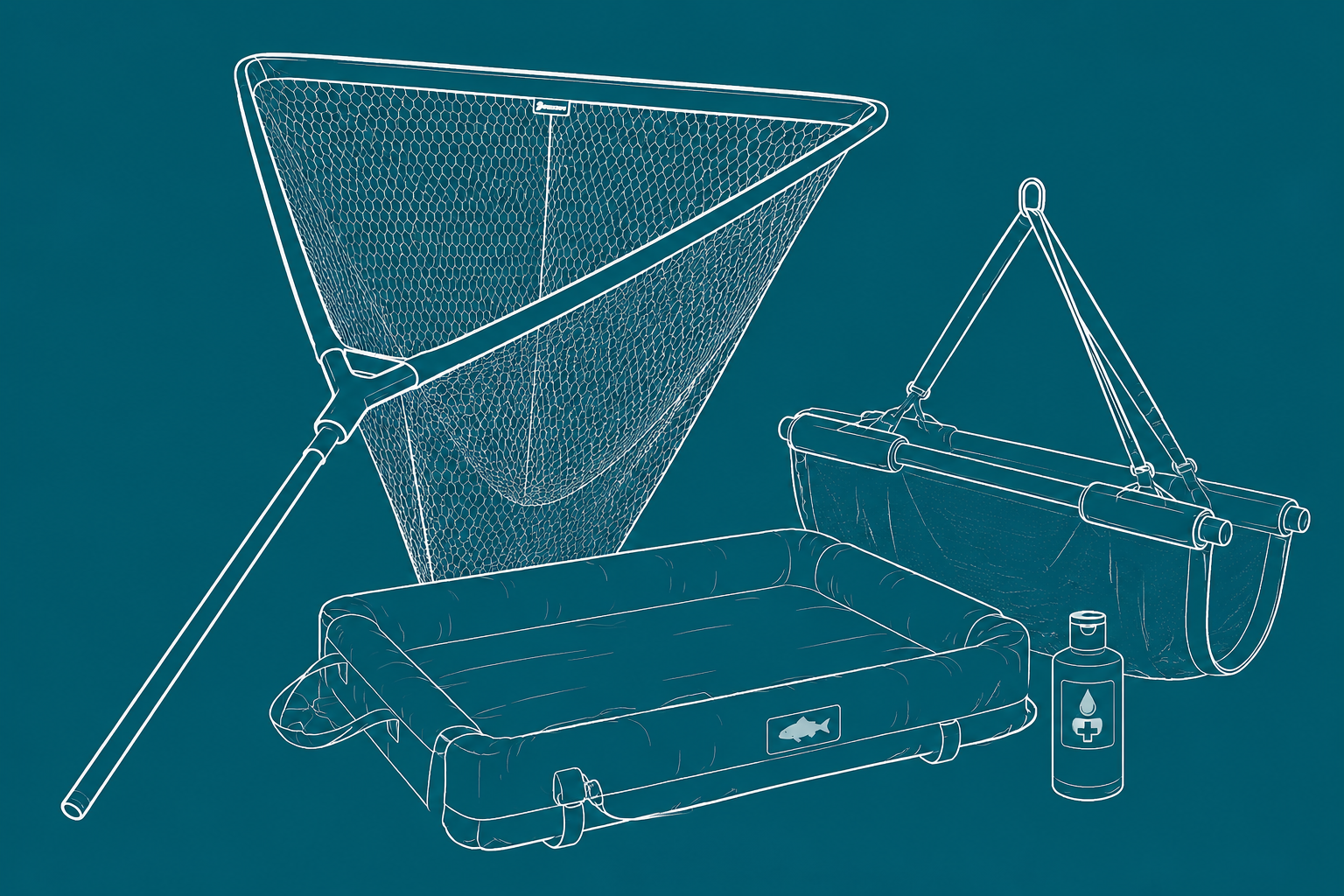
Be Prepared
Have your landing net, unhooking mat, carp care kit, weigh sling and water ready before fishing. Sharing key fish care equipment is not permitted.
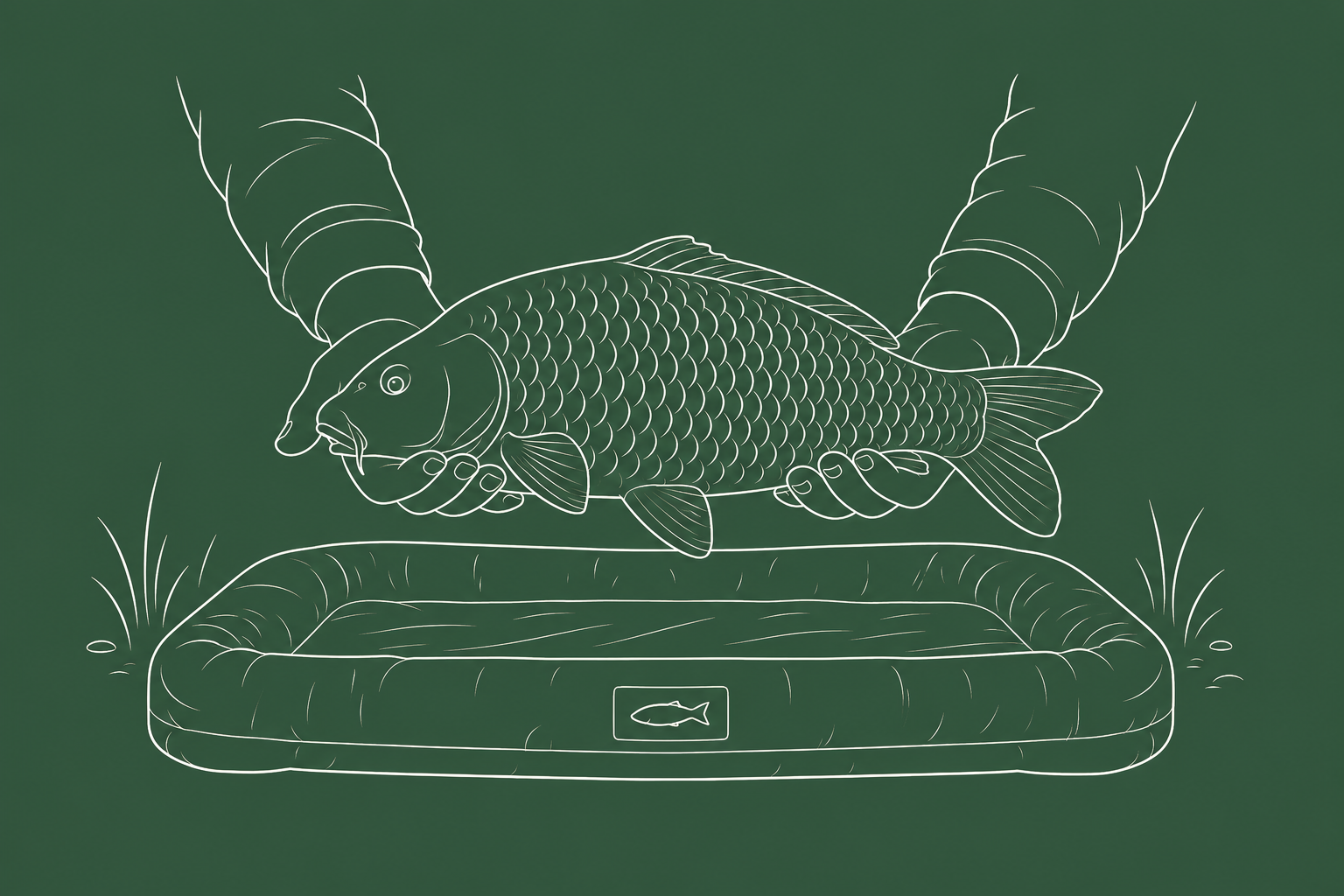
Handle Safely
Keep fish low to the ground, use a wetted unhooking mat and avoid placing fish on dry, hard or rough surfaces. Always use equipment suitable for the size of fish being handled.
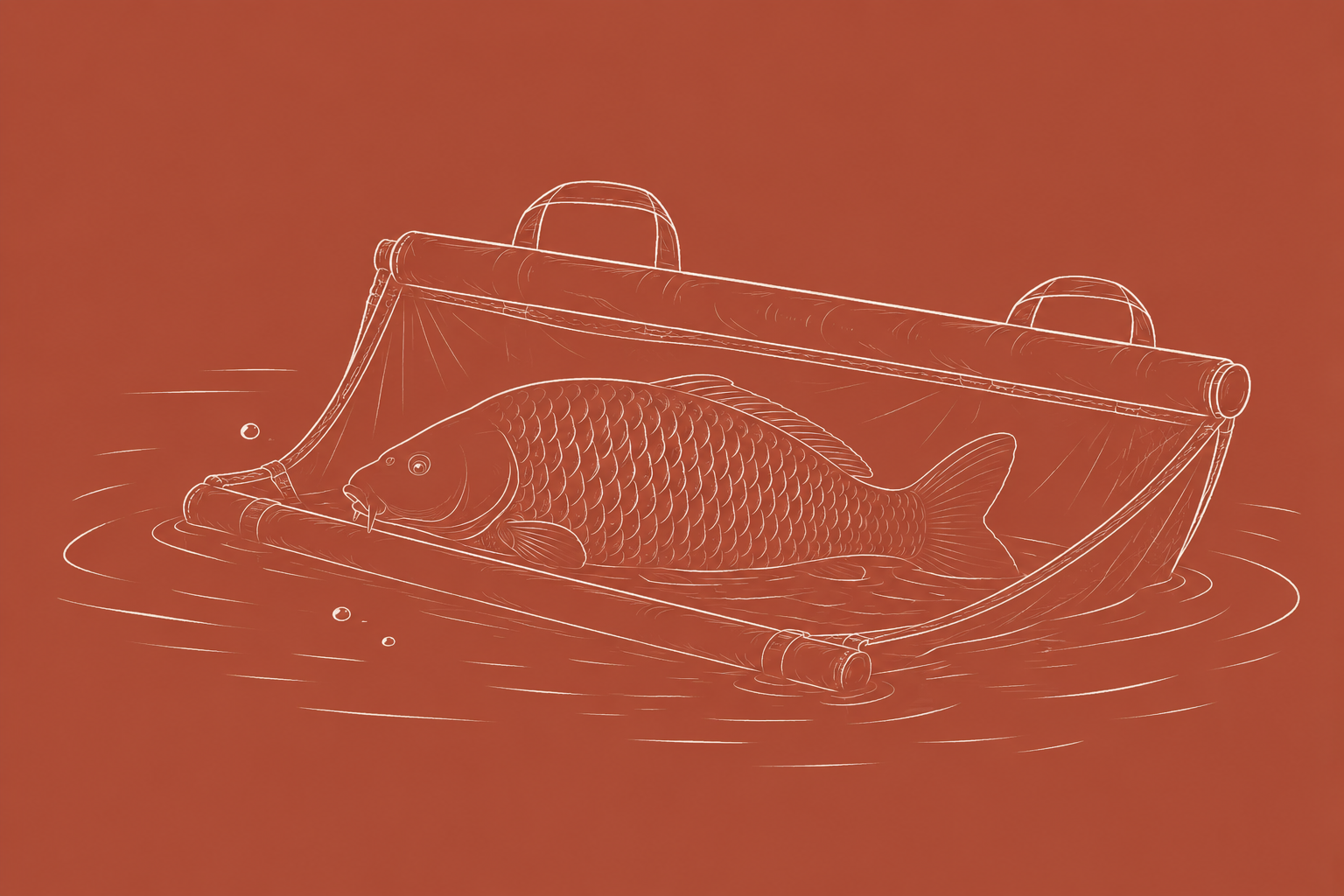
Return Carefully
Return fish to the water as quickly and safely as possible. Use an unhooking mat, landing net or weigh sling where needed, and allow the fish to recover before release.
Required Equipment
- Suitable unhooking mat
Must be suitable for the size of fish being handled and wetted with lake water before use. - Landing net, Halstead Reservoir & Catley Cross
A landing net of at least 36 inches is required. - Landing net, Mill Pond
A suitable landing net must be used, appropriate for the species and size of fish being targeted. - Carp care kit, Halstead Reservoir & Catley Cross
A carp care kit is required when fishing Halstead Reservoir or Catley Cross.
Essential Equipment
- Weighing sling or carp sling
Strongly encouraged for safely weighing, carrying and returning larger fish. - Unhooking cradle or mat with sides
Strongly encouraged over a flat mat, especially when handling larger fish. - Bucket or container for lake water
Used for wetting mats and keeping fish wet while unhooking, checking or photographing. - Forceps
Useful for safe hook removal. - Disgorger
Useful for removing hooks from smaller fish safely.
Safe Handling Guide
Good fish care starts before the fish is on the bank. Have everything ready, keep the fish low and wet, and return it safely as soon as possible.
- Prepare before casting out
Set up your landing net, unhooking mat, water container and carp care kit before you start fishing, so everything is ready before a fish is landed. - Take your time landing the fish
Do not rush the fight. Let the fish tire naturally and guide it in steadily. Bringing a fish in too quickly or forcing it into the net can cause unnecessary stress, injury or damage to the fish. - Wet your equipment
Wet your unhooking mat, weigh sling and landing net with lake water before handling fish. - Break down your landing net
When landing a carp or larger fish, break down the landing net and roll the mesh carefully so the fish is fully supported and not hanging in deep netting. - Keep fish low
Keep fish low over the unhooking mat at all times and never stand while holding a fish. - Check fins are flat
Before lifting, unhooking or moving a fish, make sure its fins are laying flat against the body and facing naturally in the correct direction. Never allow fins to fold backwards, bend awkwardly or catch under the fish, as this can cause damage. - Unhook carefully
Use forceps or a disgorger where needed. If a fish is deeply hooked, or you are unsure, seek help from a bailiff or experienced member. - Treat any marks
Use carp care treatment where appropriate, especially on hook holds, lifted scales or minor marks. - Limit time out of the water
Photos are welcome and encouraged, but fish should only be kept out of the water for as long as reasonably needed. Have your camera ready and avoid spending too long trying to get the perfect shot. - Return safely
Use a landing net, unhooking mat or sling to return larger fish safely. Allow the fish to recover in the water before release.
Safe Tackle & Rigs
Safe tackle helps prevent fish from trailing gear, suffering mouth damage or being injured by unsafe rigs. Members must follow the club’s tackle rules and use setups that protect fish if a break-off occurs.
- No fixed leads or fixed feeders
Fixed leads and fixed feeders are banned on all club waters. Leads and feeders must be able to release safely if a fish breaks free, helping prevent fish from trailing tackle. - No braided mainline
Braided mainline is banned on all club waters. Braid can be less forgiving than mono and may increase the risk of mouth, scale or fin damage if used incorrectly. - No leadcore or leadcore replacement leaders
Leadcore and leadcore replacement safety leaders are not permitted. Poorly set up leader systems can create unsafe rigs and may leave fish towing heavy tackle if the line breaks. - Use safe lead systems
Rigs should be set up so leads, feeders or other heavy tackle can discharge safely if needed. If you are unsure whether your rig is safe, ask a bailiff or experienced member before fishing. - Rig tubing is recommended
Rig tubing is strongly recommended where suitable. It helps reduce the risk of line rubbing against the fish, lifting scales or causing abrasion during the fight. - No treble hooks
Treble hooks are banned on all club waters. They increase the risk of unnecessary mouth damage and can make unhooking more difficult. - Micro-barbed or barbless hooks only
Micro-barbed and barbless hooks are permitted. These help reduce damage while still allowing anglers to fish effectively and unhook fish safely. - Use suitable hook sizes and patterns
Hooks should be appropriate for the species and method being used. Oversized, unsuitable or poorly presented hooks can increase the risk of damage or deep hooking. - Use forceps or a disgorger
Forceps should be used where needed for larger hooks, and a disgorger should be used for smaller fish or deeper hook holds. If a fish is deeply hooked or you are unsure, seek help. - Do not leave baited rods unattended
Members must not be more than one swim away from baited rods at any time. Staying close to rods helps prevent deep hooking, tethering, snagging and avoidable fish stress.